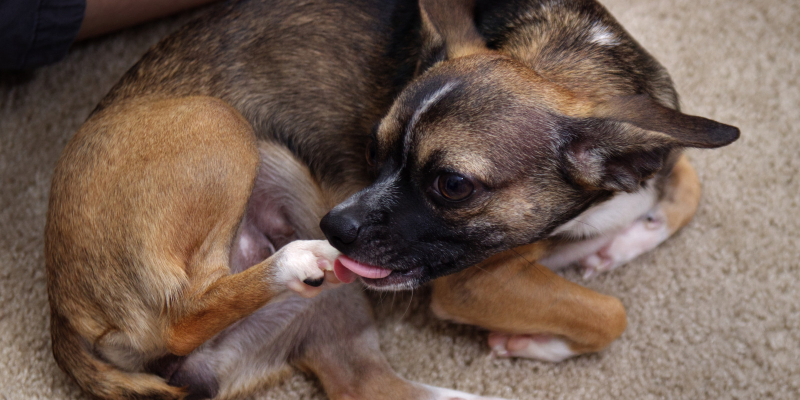
DIY First Aid Kit For Dogs: Essentials Every Owner Needs
Every dog owner knows that pets are family. But just like humans, dogs can get hurt or sick unexpectedly. Whether it's a scraped paw, a bug bite, or something more serious, being prepared with a first aid kit designed for your furry friend can make all the difference. This guide includes everything you need to build a DIY canine first aid kit and tips on handling emergencies like a pro.
Why You Need A Dog-Specific First Aid Kit
Dogs are curious creatures. They explore the world with their noses, paws, and mouths, which means accidents happen. A human first aid kit won't cut it—dogs have unique needs. For example, some antiseptics safe for people can harm pets. A dedicated kit ensures you're ready to act fast at home, on a hike, or road-tripping. Plus, it buys you critical time before you can reach a vet.
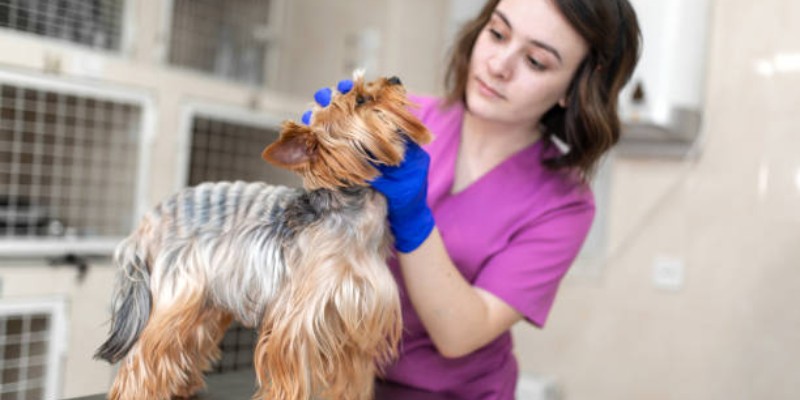
Essential Items For Your Canine First Aid Kit
Let’s dive into the must-have supplies. These items cover common emergencies, from minor injuries to sudden illnesses.
1. Wound Care Basics
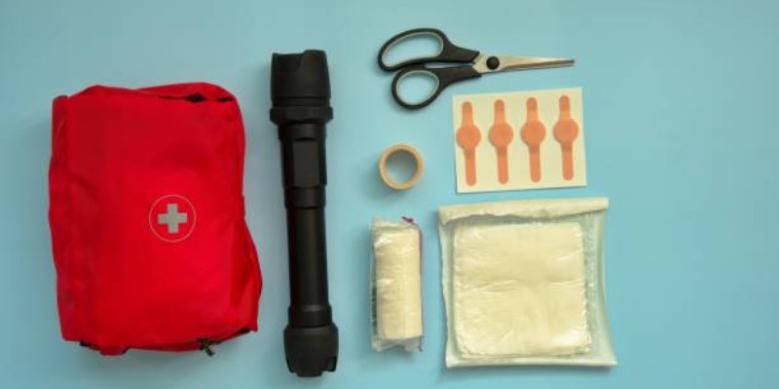
Start with sterile gauze pads and rolls. These help clean cuts and stop bleeding. Pair them with adhesive tape to secure bandages. Add lint-free cotton balls or cloths for gentle cleaning. Avoid using human cotton swabs, which can leave fibres in wounds.
Include a pet-safe antiseptic solution for disinfecting. Look for products labelled for veterinary use—never use alcohol or hydrogen peroxide, as they can irritate your dog's skin.
2. Tools For Removing Foreign Objects
Tweezers are a must. Use them to pull out splinters, thorns, or ticks. Round-tip scissors let you trim fur around injuries without poking your pup. A tick removal tool (often called a “tick key”) is also handy for safely detaching ticks.
3. Bandaging And Wrapping Supplies
Keep a self-adhesive bandage or elastic wrap for sprains or wounds that need pressure. These sticks do not need clips or pins. Add a non-stick wound pad to cover larger injuries.
4. Medications And Ointments
Include antibiotic ointment for minor cuts and hydrocortisone cream for allergic reactions (check with your vet first). A digital thermometer is crucial for monitoring fevers—normal dog temperatures range from 101°F to 102.5°F.
Avoid giving human pain relievers like ibuprofen, which can be toxic. Ask your vet about pet-safe alternatives to keep on hand.
5. Emergency Gear
A muzzle might seem odd, but even gentle dogs can bite when scared or in pain. Use a soft fabric muzzle or fashion one from a scarf in a pinch. A leash or collar with ID tags ensures your dog stays close during chaos.
For shock or heatstroke, pack a cold compress or instant ice pack. A blanket helps keep your dog warm if they’re shivering or going into shock.
6. Documents And Contact Info
Laminate a first aid guide with step-by-step instructions for everyday emergencies. List your vet's phone number, the nearest emergency clinic, and the ASPCA Animal Poison Control Centre (888-426-4435). Keep this info in a waterproof bag.
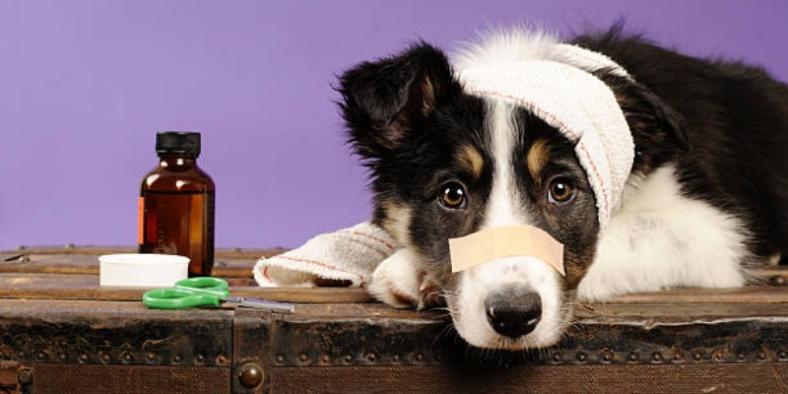
How To Use Your First Aid Kit: Common Scenarios
Knowing what’s in your kit is half the battle. Here’s how to handle real-life situations:
Treating a Cut Or Scrape
Rinse the wound with clean water or saline solution.
Pat dry with gauze.
Apply antibiotic ointment and cover with a non-stick pad.
Secure with adhesive tape or a self-wrapping bandage.
If bleeding doesn’t stop after 10 minutes, head to the vet.
Removing a Tick
Use tweezers or a tick key to grasp the tick close to the skin.
Pull upward with steady pressure—no twisting.
Disinfect the area and wash your hands.
Monitor your dog for symptoms like fever or lethargy.
Handling a Sprain Or Strain
Rest your dog and limit movement.
Apply a cold compress for 10-15 minutes.
Wrap the injured limb with an elastic bandage for support.
If swelling or limping persists, contact your vet.
Homemade Hacks For Your Kit
You don’t need to buy everything brand-new. Repurpose household items:
A clean sock makes a cosy muzzle.
A towel can double as a stretcher for injured dogs.
Honey packets or sugar water provide quick energy if your dog is weak.
Avoid using human medications or home remedies without vet approval.
First Aid Skills Every Owner Should Know
Supplies alone aren’t enough. Learn these life-saving techniques:
Cpr For Dogs
Check for Breathing and a pulse.
If absent, lay your dog on their side.
For small dogs, cup your hands around the heart (located behind the front leg). For larger dogs, use one hand on top of the other.
Compress 100-120 times per minute.
Give rescue breaths by closing the mouth and Breathing into the nose.
Practice with a stuffed animal or take a certified pet CPR course.
Muzzle Training
Get your dog used to wearing a muzzle during calm moments. Reward them with treats to create positive associations. This reduces Stress if you ever need to use one in an emergency.
Maintenance Tips For Your Kit
A neglected kit is a useless kit. Schedule reminders to:
Replace expired medications.
Restock used supplies.
Check batteries in flashlights or thermometers.
Update emergency contacts if you move.
Store the kit in an easy-to-reach spot, like a closet near the front door. For car trips, keep a smaller version in your glove compartment.
When To Call The Vet
First aid buys time—it doesn’t replace professional care. Always contact your vet if your dog:
Has deep wounds or uncontrolled bleeding.
Shows signs of poisoning (vomiting, seizures, drooling).
Is struggling to breathe or unconscious.
Save your vet’s number and emergency clinic address in your phone.
Final Checklist: What To Include
Before zipping up your kit, ensure you have:
Gauze pads, rolls, and adhesive tape
Tweezers, scissors, and a tick key
Antiseptic solution and antibiotic ointment
Self-wrapping bandages and non-stick pads
Thermometer, muzzle, and emergency blanket
First aid guide and vet contact info
Preparing For The Unexpected
Accidents don't wait for business hours. Building a first aid kit and learning basic skills gives your dog the best chance at a safe, happy life. Remember, preparation is the ultimate act of love.
Taking The Next Step For Your Dog’S Safety
Now that you’ve got the tools and knowledge, assemble your kit this weekend. Your future self—and your dog—will thank you. Stay calm, stay prepared, and keep those tails wagging.
Recent Articles
12 Best Cat Beds For Every Budget

Cat Dental Care: How To Prevent Gum Disease

10 Best Cat Trees for 2025: A Buyer’s Guide

Can Dogs Eat Watermelon? Safe Summer Treats For Pups
8 Most Loyal Dog Breeds: A Guide For First-Time Owners